Discovering Authentic Tenerife Beyond the Resorts
When planning a getaway to Tenerife, many travelers unwittingly confine themselves to the well-trodden tourist traps. They may choose a resort based solely on attractive package deals, often missing out on the genuine beauty and local culture that the island has to offer. This comprehensive guide aims to unveil the real Tenerife, highlighting hidden gems, local flavors, and authentic experiences that will enrich your trip. Tenerife travel shop serves as a valuable resource for those seeking deeper insights into this remarkable island.
Understanding Tenerife's Unique Geography
Tenerife is the largest of the Canary Islands, strategically positioned closer to Africa than mainland Spain. This geographical reality plays a significant role in shaping the island's varied climate and landscapes. Tenerife is defined by its impressive mountain range that divides the island into two distinct climatic zones: the arid, sunny south and the verdant, occasionally overcast north. Tourists who limit themselves to the south will miss out on exploring the lush greenery of the north and the stunning vistas that Mount Teide has to offer.
Choosing the Right Area to Stay
Your choice of accommodation can profoundly impact your Tenerife experience. The southern resorts like Playa de las Américas and Los Cristianos cater predominantly to package holidaymakers, offering easy beach access and vibrant nightlife. While these areas are functional for those seeking sun and relaxation, they lack the authentic Spanish atmosphere many travelers crave. For a more genuine experience, look towards Puerto de la Cruz in the north, known for its charming colonial architecture and local dining options. Santa Cruz, the island's capital, also offers rich history and culture, making it an attractive option for those who wish to immerse themselves in local life.
What Most Tourists Overlook
Many visitors come to Tenerife with a checklist of famous attractions without realizing they’re overlooking the island’s true essence. For example, the breathtaking landscapes of Anaga Rural Park or the quaint village of Masca are often neglected in favor of the tourist-crowded beaches. Exploring these areas will give you an appreciation for Tenerife’s natural beauty and local life that resorts simply cannot provide. By taking the time to venture off the beaten path, you’ll discover an island that thrives beyond the confines of commercial tourism.
Weather Insights: The Climate of Tenerife
The North vs. The South: What You Need to Know
Understanding the weather patterns of Tenerife is crucial for planning your trip. The south benefits from approximately 320 sunny days annually, making it a favorite for sun-seekers. However, the north is often characterized by cooler temperatures and cloud cover, especially during the summer months. This discrepancy means that if you’re visiting in July, you may encounter overcast skies in Puerto de la Cruz while basking in sunshine just an hour’s drive south in Los Cristianos. Each area has its own unique merits depending on the type of holiday experience you're after.
Best Times to Visit Based on Your Preferences
For travelers seeking optimal weather, consider the months from March through May and October through November. These months present comfortable temperatures and less crowded attractions. The summer months can get intensely hot, particularly in the south, while the winters offer mild weather, attracting many visitors from colder climates. Before making your plans, it's worth checking local forecasts for more precise information, as Tenerife's weather can vary significantly within the island.
Understanding the Calima and Its Effects
The Calima is a phenomenon involving hot winds from the Sahara that can sweep across the island, bringing fine red dust and temporarily reducing visibility. Though not frequent, it can affect your outdoor activities and plans. Typically occurring during the summer months, its symptoms include a dry, scratchy feeling in the air and a muted appearance of the landscape. It's advisable to monitor local updates so you can plan your excursions accordingly and avoid any disappointing weather surprises.
Experiencing Mount Teide: A Must-Do Adventure
Planning Your Trip to Mount Teide
As the highest peak in Spain at 3,715 meters, Mount Teide is a stunning natural wonder that should be on every traveler’s itinerary. Accessible by a cable car, the ascent offers breathtaking views that are unmatched in the Canary Islands. To reach the summit, a permit is required, and due to limited daily availability, it’s essential to secure these in advance via the Spanish National Parks website. This meticulous planning will ensure you don’t miss out on one of Spain's most spectacular experiences.
The Best Views and Photo Ops
The landscape above the tree line is surreal, characterized by striking volcanic terrain that appears almost extraterrestrial. Prepare to take plenty of photos, especially from the rim of the Teide crater, where you can gaze down at the clouds below and the vast ocean beyond. Whether you're an avid photographer or simply a traveler seeking memorable moments, the views from Mount Teide are incomparable and should not be missed.
Permits and Preparation for Hiking
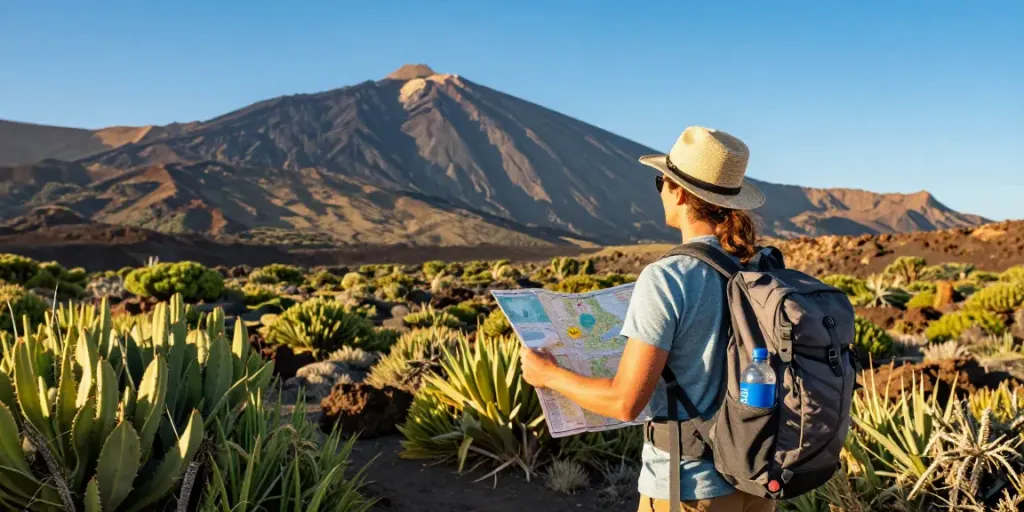
Hiking in the Teide National Park is a thrilling experience for nature enthusiasts. However, it demands preparation. Ensure you wear appropriate footwear, carry sufficient water, and dress for rapidly changing temperatures, which can be significantly cooler at higher elevations. Familiarize yourself with the trails and their difficulty levels to match them with your physical capability. The sweeping vistas and unique landscapes will reward you for your efforts in preparation.
Culinary Exploration: Tasting Tenerife
Must-Try Dishes and Local Ingredients
The culinary experience in Tenerife is a blend of traditional Canarian flavors and influences from Spain and Latin America. Start your gastronomic journey with papas arrugadas, small, salty potatoes typically served with mojo sauce — a local favorite. Another dish to try is gofio, a versatile toasted grain flour that appears in various forms throughout the island, from soups to desserts. For seafood enthusiasts, cherne (stone bass) and vieja (parrot fish) are surefire choices when sourced from reputable restaurants that serve fresh, local catches.
Restaurants Worth Visiting: A Guide
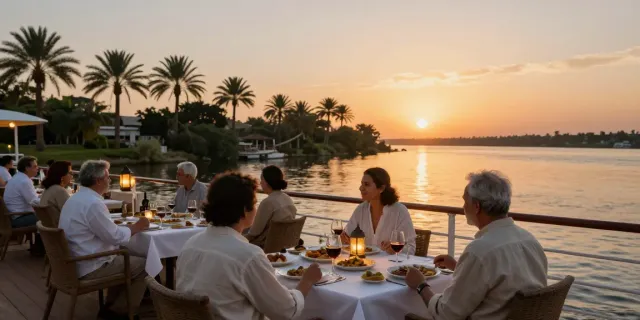
While the tourist areas often feature establishments catering to familiar tastes, dive into the local dining scene to discover restaurants that highlight Canarian cuisine. Look for places that offer a changing menu with daily specials based on fresh market ingredients, often written on chalkboards rather than laminated menus. This is usually a sign that you’re in for something special. Towns like La Orotava and Santa Cruz have excellent dining options that provide a more authentic culinary experience.
Avoiding Tourist Traps: Finding Real Canarian Food
To truly savor Canarian cuisine, steer clear of restaurants located in the most tourist-centric areas. While these might serve classic dishes, their quality often suffers due to high turnover and reliance on pre-prepared meals. Instead, find local bistros and family-owned eateries where you can experience true Canarian hospitality and traditional cooking methods. Asking locals for recommendations can lead you to hidden gems off the beaten path.
Getting Around Tenerife: Transport Tips
Public Transport: The TITSA Bus Network
Tenerife boasts a well-functioning public transport network known as TITSA, which is not only budget-friendly but also covers most major attractions around the island. Buses are frequent and reliable, serving as an excellent option if you plan to explore without the headaches of parking and traffic. Be sure to check the schedules and routes ahead of time, and consider getting a travel card for added savings.
Renting a Car: What You Should Consider
If freedom and flexibility are on your travel agenda, renting a car is an ideal choice for getting around Tenerife. While the southern region has straightforward roads, the northern and interior areas can be more challenging, with winding mountain paths and steep cliffs. Always rent from a reputable agency and consider full insurance coverage due to the island's variable road conditions. Early morning departures can also significantly enhance your experience by allowing you to secure parking in popular spots.
Practical Tips for Navigating the Island
To make the most out of your driving experience, familiarize yourself with the island's major roads and local traffic regulations. Keep your GPS handy, but also maintain flexibility since some routes may not be well marked. Popular tourist sites often have insufficient parking, so planning your arrival time is crucial. Setting out early can guarantee you a hassle-free day filled with exploration and discovery.
What are the best areas to stay in Tenerife?
Choosing your base in Tenerife can greatly impact your experience. The southern resorts, such as Playa de las Américas, provide lively nightlife and beach access, while Puerto de la Cruz offers a more authentic experience with local charm and culture. For a balance of both, Costa Adeje is an excellent mid-point that balances leisure with luxury. Regardless of your choice, ensure your accommodation aligns with what you want to get out of your visit.
How is the weather different in northern and southern Tenerife?
Weather is a significant factor in your Tenerife experience. The northern region tends to be greener and receives more rainfall, while the south is sunny and dry, with comfortable beach weather. Understanding this variation can help you decide which areas to visit based on your preferences for activities and relaxation.
What are the must-try dishes in Tenerife?
Local Canarian dishes, such as papas arrugadas, gofio, and fresh seafood, should not be missed. Dining in local restaurants will provide a more authentic taste of the cuisine, allowing you to explore the flavors unique to Tenerife and the Canary Islands.
How can I explore Mount Teide effectively?
Plan ahead for your Mount Teide adventure by securing your permits in advance and choosing the right time of day to visit for optimal visibility. Ensure that you have appropriate clothing for changing temperatures, and consider guided tours for a more informative experience.
What transport options are available for tourists in Tenerife?
Both public transportation and car rentals offer viable options for getting around Tenerife. Depending on your itinerary, leveraging the TITSA bus network can be economical, whereas renting a car provides greater flexibility for travelers looking to explore remote areas of the island.
What to Actually Skip
With so many attractions to choose from, it's easy to get caught up in wanting to see everything. However, some of the more commercialized attractions may not live up to your expectations. For instance, many tourists flock to large resorts or theme parks that, while entertaining, do not offer the genuine experience that discovering local culture and landscapes can provide. Take time to prioritize the places that resonate with the authentic spirit of Tenerife.
The Practical Stuff That Actually Matters
Navigating administrative aspects of your trip, such as understanding local customs, currency, and health needs, is crucial. Canaries operate using the Euro, and while credit cards are widely accepted, having cash on hand can be beneficial in smaller locales. Additionally, familiarizing yourself with local health services and pharmacy locations can enhance your comfort during your stay.
One Thing That'll Actually Improve Your Trip
Take time to learn a few basic Spanish phrases. Canarians appreciate when visitors make an effort to communicate in their language. Simple greetings and polite phrases can significantly enrich your interactions and demonstrate respect for the local culture.
The Honest Final Thought
Tenerife is a diverse island that has so much more to offer than initially meets the eye. The journey to uncover its depth may require some planning and exploration, but the rewards are bountiful. Whether you choose to hike up Mount Teide, savor local dishes, or wander through picturesque villages, you will leave with lasting memories that go beyond the typical beach holiday. With the right approach, you can experience the authentic side of Tenerife that many travelers often overlook.