Understanding the Manaslu Circuit Trek
The Manaslu Circuit Trek is one of Nepal's most captivating trekking routes, offering an exhilarating blend of stunning landscapes and rich cultural experiences. Nestled in the Gorkha district, it offers the opportunity to circle Mount Manaslu, the eighth-highest peak in the world, reaching heights of up to 8,163 meters (26,781 feet). This trek stands out for its beautiful yet less-trafficked trails, making it a perfect choice for adventurers seeking the thrill of nature without the hustle of more popular treks such as Everest Base Camp.
What is the Manaslu Circuit Trek?
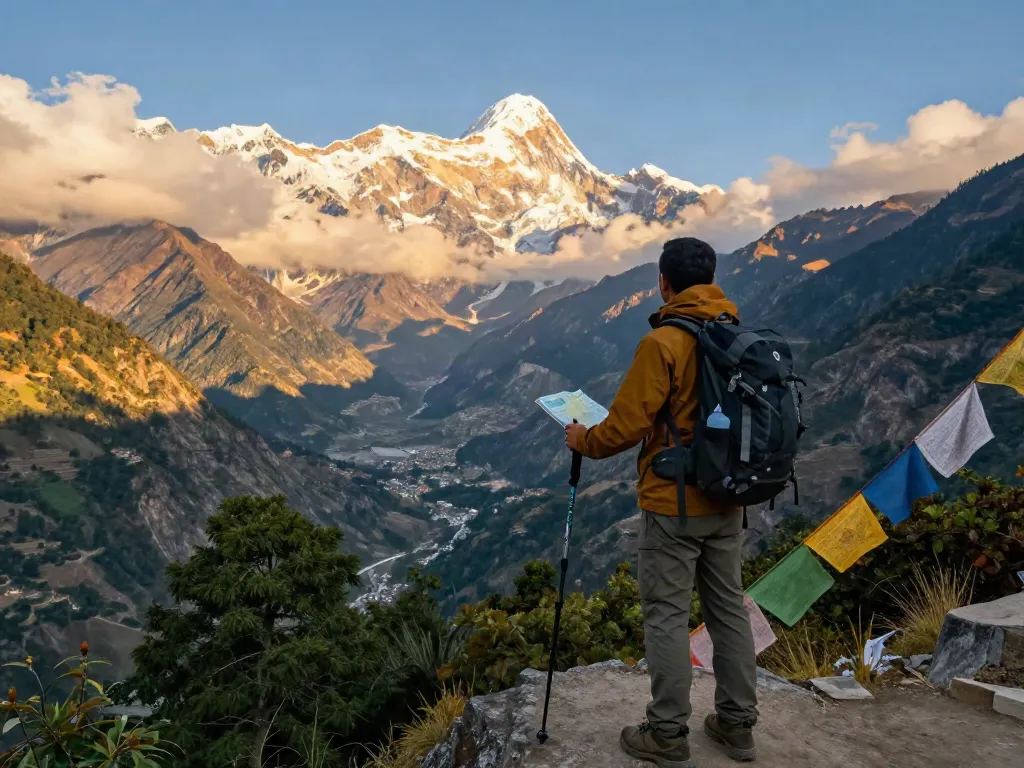
The Manaslu Circuit Trek is a 15-day expedition that immerses you in the unspoiled natural beauty of the Himalayas. Covering roughly 177 kilometers (110 miles), this trek offers spectacular views of towering peaks, lush valleys, and diverse ecosystems. The path winds through traditional villages, where trekkers can engage with the local Gurung and Tibetan cultures. Along the way, you'll encounter ancient monasteries, vibrant prayer flags, and the majestic Budi Gandaki River, providing a comprehensive Himalayan experience that combines adventure with cultural immersion.
Historical and Cultural Significance of the Region
The trek provides insight into the cultural heritage of the region, deeply influenced by Tibetan traditions. The local communities still practice age-old customs and maintain their unique way of life, largely untouched by modernization. Historical sites, such as the Samagaon village and the Pungyen Monastery, tell stories of the region's past and its significance in the Tibetan Buddhist tradition. Exploring these sites adds a rich layer of understanding to your trekking experience.
Overview of Trekking Permits Required
To embark on the Manaslu Circuit Trek, you'll need several special permits due to the trek’s location in a restricted area. These include the Manaslu Restricted Area Permit (MRAP) and the Manaslu Conservation Area Permit (MCAP). Obtaining these permits is essential to ensure the preservation of the environment and cultural heritage, as well as to support the local economy through responsible tourism practices.
Planning Your Manaslu Circuit Trek
Successfully planning your trek involves various considerations, including choosing the right time, creating an itinerary, and packing appropriately.
Best Times to Trek Manaslu Circuit in 2026
The best seasons for trekking the Manaslu Circuit are typically in spring (March to May) and autumn (late September to December). During these periods, the weather is generally stable, with clear skies and moderate temperatures. Spring is known for blooming flowers and vibrant landscapes, while autumn offers stunning views of snow-capped peaks. It’s advisable to avoid trekking during the monsoon season (June to early September) due to heavy rainfall and potential landslides.
Creating Your Itinerary: Key Stops Along the Route
Your itinerary will include various key stops that showcase the trek's beauty and culture. Starting from Kathmandu, you will drive to Machha Khola, where the adventure begins. Key stops include:
- Jagat: A charming village with traditional architecture, serving as your first night halt.
- Deng: A village known for its stunning views and unique cultural experiences.
- Namrung: Offers panoramic views of the Manaslu region and surrounding peaks.
- Samagaon: The largest village in the region, serving as an acclimatization point with access to Manaslu Base Camp.
- Bimthang: A scenic stop after crossing the Larkya La Pass, famous for its breathtaking landscapes.
Essential Packing List for Manaslu Circuit Trek
Packing properly is crucial for a successful trek. Essential items include:
- Durable trekking boots
- Sleeping bag rated for -15°C (5°F)
- Warm clothing in layers
- First aid kit
- Water purification tablets
- Sun protection gear (hat, sunscreen, sunglasses)
Make sure to customize your packing list based on personal preferences and seasonality.
Physical Preparation for the Trek
Preparing physically for the Manaslu Circuit Trek is essential, considering the high altitudes and rugged terrains you'll encounter.
Assessing Your Fitness Level for High Altitude Trekking
It’s important to assess your fitness level before embarking on this trek. The journey requires stamina and endurance, as you will trek for 5 to 8 hours daily. A fitness assessment can help you gauge whether you are ready for the demands of the trek.
Training Recommendations and Strategies
To prepare physically, consider the following training strategies:
- Engage in regular cardio exercises like running, cycling, or swimming at least four to five times a week.
- Incorporate strength training to build leg muscles and improve overall stamina.
- Practice hiking with a loaded backpack to simulate trek conditions.
By following a structured training plan, you'll build the necessary endurance to tackle the Manaslu Circuit.
Navigating Potential Health Risks like AMS
Acute Mountain Sickness (AMS) is a concern at high altitudes. Symptoms can include headaches, nausea, and fatigue. To mitigate risk, consider the following:
- Acclimatize properly by taking designated rest days.
- Stay hydrated and maintain a balanced diet rich in carbohydrates.
- Pay attention to your body's signals and descend if symptoms worsen.
Understanding the dangers of AMS and being prepared can significantly enhance your trekking experience.
Experiencing the Trek: What to Expect
The Manaslu Circuit Trek is not just about reaching the destination; it’s also about the experiences along the way.
Day-by-Day Breakdown of the Manaslu Trek Itinerary
Here’s a brief overview of what you can expect during each day:
- Day 1: Arrival in Kathmandu, transfer to hotel.
- Day 2: Drive to Machha Khola.
- Day 3-4: Trek to Jagat and then to Deng.
- Day 5-6: Trek to Namrung and Lho.
- Day 7-8: Trek to Samagaon, acclimatization at Samagaon with hikes to Manaslu Base Camp.
- Day 9: Trek to Samdo.
- Day 10: Trek to Dharmashala.
- Day 11: Cross Larkya La Pass and descend to Bimthang.
- Day 12-14: Continue trekking to Goa and Dharapani, followed by a drive back to Kathmandu.
Accommodation and Food Options During the Trek
Accommodation during the trek primarily consists of traditional teahouses offering twin-sharing rooms. Meals will include local delicacies such as dal bhat, noodles, and a variety of vegetarian options. It’s advisable to stick to vegetarian meals to avoid foodborne illnesses. Each meal usually includes a hot drink, ensuring you stay warm and energized.
Wildlife and Natural Beauty Along the Trail
The Manaslu Circuit is a biodiversity hotspot, offering glimpses of unique wildlife including the elusive snow leopard, Himalayan tahr, and diverse bird species. The natural beauty along the trail is unparalleled, featuring lush forests, glacial rivers, and snow-capped peaks that create a stunning backdrop for your journey.
Post-Trek Considerations
After completing the Manaslu Circuit Trek, taking time to reflect on your experience is important for personal growth and appreciation of the adventure.
How to Evaluate Your Trekking Experience
Consider documenting your journey through photos and journaling. Sharing experiences with fellow trekkers or on social media can enhance your connection with the trek and inspire others to embark on their adventures.
Importance of Responsible Tourism in the Region
As a trekkers, it is vital to act responsibly by practicing Leave No Trace principles and supporting local economies. Engaging in sustainable tourism helps preserve the natural beauty and cultural heritage of the Manaslu region for future generations.
Sharing Your Journey: Tips for Traveler Reviews
Leaving reviews on platforms like TripAdvisor and Google helps future trekkers make informed decisions. Share your honest insights about your experiences, accommodations, and guides, as this feedback is invaluable for both travelers and tour companies.
What is the difficulty level of the Manaslu Circuit Trek?
The difficulty level of the trek is classified as moderate to challenging. It requires good physical fitness, as trekkers will encounter long days of hiking with significant ascents and descents.
Can beginners successfully complete the Manaslu Circuit Trek?
Yes, beginners can successfully complete the trek with proper training, acclimatization, and the guidance of experienced trekking companies. However, a good level of fitness and endurance is essential.
How much does the Manaslu Circuit Trek cost in 2026?
The cost typically ranges from $1,500 to $2,500, depending on the services included and the trekking agency you choose. Make sure to account for additional expenses such as tips, drinks, and extra snacks.
Is the Manaslu Circuit Trek harder than Everest Base Camp?
The Manaslu Circuit Trek is considered to be of similar difficulty to the Everest Base Camp trek, but with unique challenges such as the Larkya La Pass. Proper preparation and acclimatization are critical for both treks.
What should I pack for the Manaslu Circuit Trek?
Your packing list should include essential gear such as trekking boots, warm layers, a good sleeping bag, and personal medications. It’s crucial to ensure you have everything needed for comfort and safety during the trek.