The Importance of Reclaimed Water Systems
As the global population continues to rise and the demand for freshwater escalates, the significance of efficient water management cannot be overstated. Reclaimed water systems offer a sustainable solution by turning wastewater into a valuable resource, helping municipalities and industries alike to conserve water. These systems enable the treatment and repurposing of sewage, greywater, and stormwater. Organizations looking to implement eco-friendly practices can find that exploring options like reclaimed water systems not only mitigates environmental impacts but also aligns with sustainability goals.
Understanding Reclaimed Water Systems
Reclaimed water systems are designed to treat and recycle wastewater through advanced technology, making it safe for various uses. At the core of these systems lies the principle of water reuse, which abstractly describes how treated water can be utilized in irrigation, industrial processes, and even indirectly for drinking water supply. The technology involved can vary significantly, from basic filtration systems to innovative treatment methods like membrane bioreactors (MBR) and reverse osmosis (RO).
Environmental Benefits of Water Reuse
Reusing water significantly reduces the strain on existing freshwater sources, which is increasingly critical given the current water scarcity issues faced in many regions. By employing reclaimed water systems, organizations can:
- Conserve Freshwater Resources: Recycling water lessens the demand for freshwater for irrigation and other applications.
- Reduce Pollution: By treating wastewater to a high standard, the discharge of untreated or partially treated wastewater into natural bodies of water is lessened, leading to improved water quality.
- Decrease Energy Consumption: Recycling water often requires less energy than sourcing new fresh water, leading to lower carbon footprints.
Meeting Sustainability Goals with Reclaimed Water
The integration of reclaimed water systems into water management strategies is not just an eco-friendly option; it is a necessity for organizations aiming for sustainability certifications and benchmarks. With increasing regulatory pressures and community expectations, companies that invest in these systems can set themselves apart by demonstrating a commitment to sustainable practices.
Key Technologies in Reclaimed Water Systems
Membrane Bioreactors (MBR) Explained
Membrane bioreactors are a cutting-edge technology that combines biological treatment and membrane filtration. This process allows for the effective removal of suspended solids and microorganisms from wastewater, resulting in high-quality effluent that can be reused. The major benefits of MBR technology include:
- Space Efficiency: MBR systems typically require less space than traditional treatment methods due to their compact design.
- Superior Filtration: These systems can remove contaminants at a microscale level, producing water that meets or exceeds regulatory requirements.
Ultrafiltration and Reverse Osmosis (UF+RO)
Both ultrafiltration (UF) and reverse osmosis (RO) are critical processes in advanced reclaimed water systems. UF acts as a pre-treatment, efficiently separating larger particles, bacteria, and viruses. Subsequently, RO further purifies the water, removing dissolved salts and other impurities, ensuring the treated water is safe for diverse applications.
Integration of Advanced Technologies
Modern reclaimed water systems increasingly rely on integrated approaches that combine several technologies. By synergizing MBR, UF, and RO, these systems can achieve higher efficiencies and better quality outputs. This kind of integration ensures that reclaimed water can be trusted for more sensitive uses, such as irrigation of food crops or even potable water supply in indirect systems.
Applications of Reclaimed Water
Industrial Use Cases for Reclaimed Water
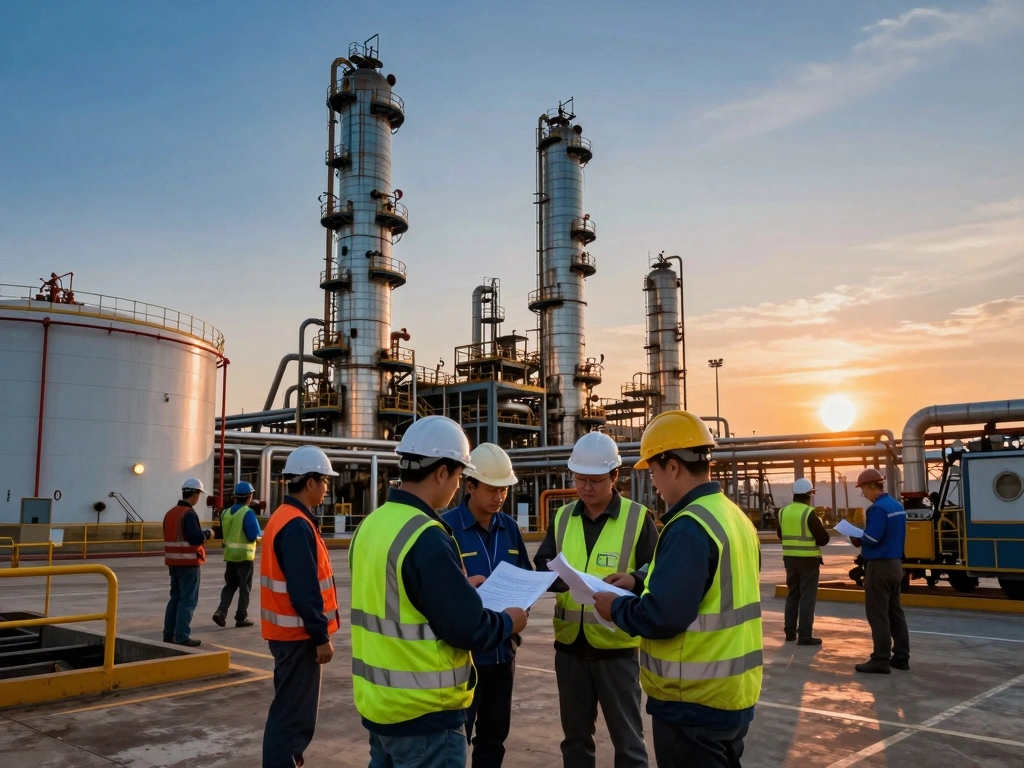
Industries have long been the largest consumers of water, often using it for processes that do not require potable water quality. Here are some examples of how reclaimed water is being utilized across various sectors:
- Cooling Water: Power plants can use reclaimed water in cooling systems, significantly reducing their freshwater intake.
- Manufacturing Processes: Many manufacturers, especially in food and beverage, textiles, and chemicals, are turning to reclaimed water for washing, rinsing, and processing needs.
- Fire Protection: Some facilities store reclaimed water for fire suppression systems, enhancing safety while conserving freshwater.
Municipal Applications and Benefits
Municipalities are increasingly implementing reclaimed water systems to provide reliable water supplies for irrigation in parks, golf courses, and landscaping. Reclaimed water can also augment water supplies in times of drought, ensuring that cities have the water they need for essential services.
Decentralized Systems and Remote Facility Uses
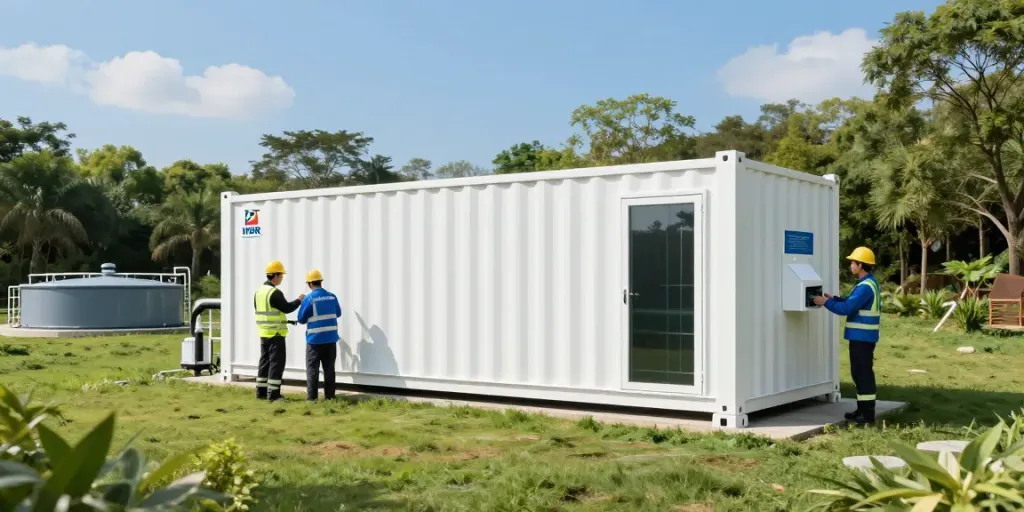
For remote facilities or communities lacking access to centralized water treatment, containerized reclaimed water systems offer a flexible, effective solution. These modular units can be transported and deployed quickly, providing immediate access to safe recycled water.
Challenges in Implementing Reclaimed Water Systems
Common Misconceptions About Reclaimed Water
Despite the clear benefits of reclaimed water systems, several misconceptions persist. Many people equate reclaimed water directly with wastewater, leading to hesitancy in acceptance. Education and public outreach are vital in addressing these misconceptions and promoting the safety and utility of reclaimed water.
Regulatory Considerations and Compliance
Each region has specific regulations governing the use of reclaimed water. Organizations must navigate these complex frameworks to ensure compliance, which can involve considerable time and resources. Understanding local regulations and engaging with stakeholders can help streamline the implementation process.
Addressing Public Concerns and Acceptance
Public acceptance is crucial for the success of any reclaimed water initiative. Organizations must be proactive in addressing community concerns through transparency, education, and demonstration of the safety and efficacy of reclaimed water systems.
Future Trends in Reclaimed Water Systems
Innovations to Watch in 2026 and Beyond
The future of reclaimed water systems is likely to be characterized by technological advancements. Innovations such as AI-driven monitoring systems, smart sensors for real-time water quality testing, and improvements in treatment technologies will enhance the efficiency and safety of reclaimed water systems.
Scaling Up: Expanding Reclaimed Water Use
As public awareness of water scarcity increases, the scaling up of reclaimed water systems will be essential. Governments may provide incentives for industries and municipalities to adopt these systems, fostering a culture of water reuse.
Global Perspectives and Case Studies
Countries around the world are adopting reclaimed water systems at an increasing rate. Notable examples include Singapore’s NEWater program, which successfully integrates water reclamation into the city’s water supply framework, and California’s extensive initiatives to recycle water amid severe drought conditions. These case studies serve as blueprints for other regions looking to implement similar solutions.