Understanding CNC Machining in Aerospace Manufacturing
CNC machining, or Computer Numerical Control machining, is a revolutionary process that has transformed the manufacturing landscape, particularly within the aerospace sector. Since its introduction, CNC technology has enabled manufacturers to produce highly precise components essential for the safety and efficiency of aircraft. This technology uses computer-controlled machinery to perform manufacturing tasks, offering unparalleled accuracy and repeatability.
What is CNC Machining?
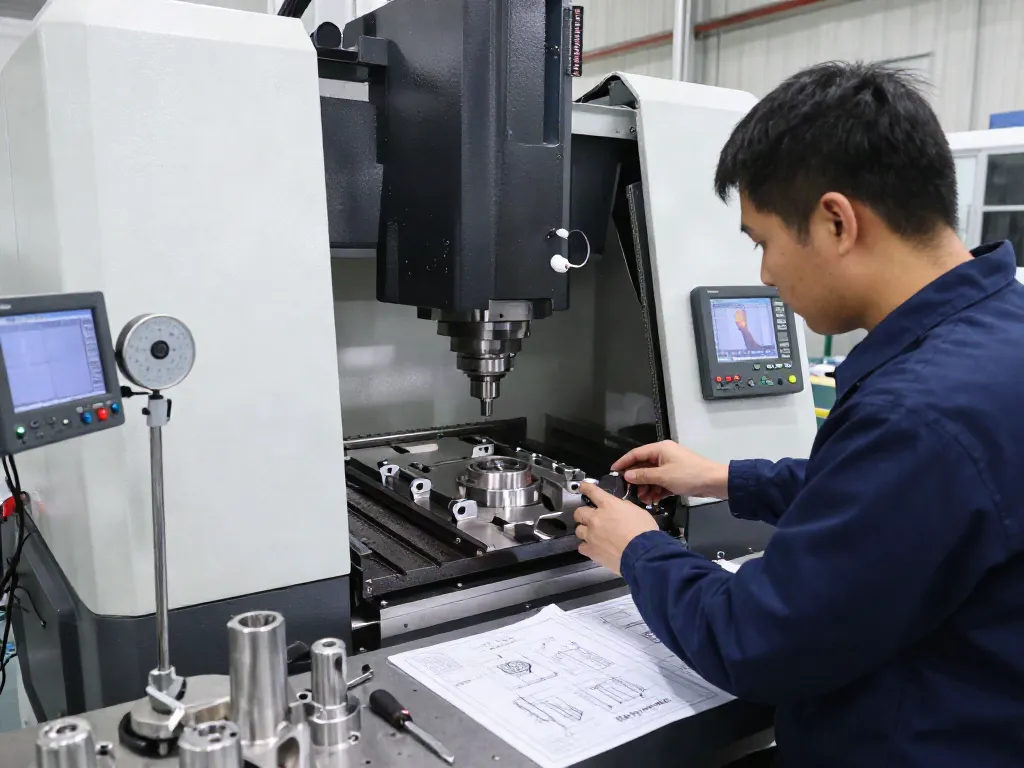
CNC machining involves the use of computers to control machine tools. These machines are capable of cutting, milling, drilling, and grinding various materials to create components vital for aerospace applications. The process begins with a computer-aided design (CAD) file, which dictates the geometry of the part to be produced. Each movement is carefully calculated to ensure that the end product meets the exact specifications required by aerospace standards.
Importance of Precision in Aerospace Parts
In the aerospace industry, where safety is paramount, the precision of each part is critical. Components such as engine housings, landing gears, and fuel systems must meet stringent tolerances to ensure optimal performance and safety in flight. This high level of precision in CNC machining minimizes the risks associated with aerospace failures and enhances the overall reliability of aircraft. As such, working with leading aerospace cnc parts manufacturers is essential for achieving the necessary quality standards.
Common Materials Used in Aerospace CNC Machining
Aerospace machining utilizes a variety of materials, each chosen for its unique properties. Among the primary materials used are:
- Aluminum
- Titanium
- Stainless Steel
- Nickel Alloys
These materials are favored for their lightweight, strength, and resistance to corrosion, which are crucial for the demanding conditions faced by aerospace components.
Key Challenges Faced by Aerospace CNC Manufacturers
While CNC machining provides numerous advantages, it also presents significant challenges that manufacturers must navigate to succeed in the aerospace industry.
Quality Control and Standards Compliance
Ensuring compliance with industry standards, such as AS9100, is fundamental for aerospace manufacturers. These rigorous standards dictate the quality and safety of products, necessitating comprehensive quality control measures throughout the manufacturing process. Regular audits, inspections, and thorough testing are vital to maintain compliance and build trust with clients.
Handling Complex Geometries and Designs
Aerospace components often feature intricate designs and complex geometries that require advanced CNC machining capabilities. Adapting machinery and software to accommodate these specifications presents a considerable challenge. Manufacturers must invest in sophisticated equipment alongside skilled personnel capable of operating them effectively.
Supply Chain Management Issues in Aerospace
The aerospace industry is heavily reliant on a well-coordinated supply chain. Disruptions can lead to delays in production and increased costs. Manufacturers must develop robust relationships with suppliers and implement strategies to mitigate risks associated with delays or fluctuations in material availability, ensuring a smooth flow of operations.
Best Practices for Aerospace CNC Machining
To excel in the competitive landscape of aerospace manufacturing, companies must adopt best practices that prioritize efficiency, quality, and innovation.
Adopting Advanced Technologies and Equipment
Investing in the latest CNC technologies, including 5-axis machines and automation, can significantly enhance productivity and precision. Advanced technologies allow manufacturers to handle more complex designs with ease, streamlining the production process and reducing lead times.
Implementing Effective Quality Assurance Protocols
Establishing rigorous quality assurance protocols is essential for maintaining compliance with aerospace standards. This includes real-time monitoring of production processes and employing Statistical Process Control (SPC) techniques to identify and address defects before they escalate.
Streamlining Production Processes for Efficiency
Adopting lean manufacturing principles can lead to significant improvements in efficiency and cost savings. By minimizing waste and optimizing production workflows, companies can better meet the demands of the aerospace industry while maintaining high quality.
Case Studies of Successful Aerospace CNC Manufacturers
Examining the successes and strategies of leading aerospace CNC manufacturers highlights valuable lessons and innovative approaches that can be replicated across the industry.
Innovative Strategies from Leading Companies
Many prominent aerospace manufacturers have adopted unique strategies that have propelled them to success. For instance, companies that embrace digital transformation, utilizing data analytics and IoT, can streamline processes and enhance decision-making capabilities.
Lessons Learned from Industry Failures
Analyzing past failures in the aerospace CNC industry provides crucial insights into what to avoid. Common pitfalls include overlooking quality assurance processes or failing to adapt to new technologies, which can lead to costly errors and safety concerns.
Real-World Applications of Precision Machining
Real-world applications illustrate the significance of precision machining in developing aircraft components that meet rigorous specifications. Success stories from major aerospace firms demonstrate the transformative impact of CNC technology on manufacturing efficiency and product quality.
Future Trends in Aerospace CNC Manufacturing for 2026
The aerospace industry is evolving rapidly, driven by technological advancements and changing consumer demands. Staying ahead of these trends is crucial for manufacturers aiming to remain competitive.
Emerging Technologies Shaping the Industry
As we move toward 2026, several emerging technologies in aerospace CNC manufacturing are set to revolutionize production. Innovations such as additive manufacturing, artificial intelligence, and machine learning are reshaping how components are designed and manufactured.
Predictions for Material Innovations
Material science is on the brink of exciting breakthroughs that promise improved performance for aerospace components. For example, lightweight composites and advanced alloys are being developed to enhance efficiency and reduce environmental impact.
The Role of Sustainability in Aerospace Manufacturing
With increasing emphasis on environmental responsibility, sustainability is becoming a significant focus in aerospace manufacturing. Companies are exploring eco-friendly materials and manufacturing processes that reduce waste and carbon emissions, aligning with global sustainability goals.
What are the top manufacturers in aerospace CNC parts?
Some of the top manufacturers include Boeing, Lockheed Martin, and Airbus, alongside specialized firms like Honscn, which focus on offering customized CNC machining services tailored to aerospace applications.
How does CNC machining improve aerospace component quality?
CNC machining enhances quality through its ability to produce parts with tight tolerances, consistent repeatability, and reduced human error, all of which are critical in aerospace applications where safety is paramount.
What materials are most common in aerospace CNC manufacturing?
Common materials include aluminum, titanium, stainless steel, and various composites, selected for their strength-to-weight ratio and resistance to environmental factors.
What should new manufacturers avoid in aerospace machining?
New manufacturers should avoid neglecting quality control measures, underestimating the complexity of aerospace components, and failing to stay updated with industry standards and technologies.
How can companies ensure compliance with aerospace standards?
Companies can ensure compliance by implementing robust quality management systems, conducting regular audits, and maintaining thorough documentation of all manufacturing processes.