The Importance of Kindergarten in Holistic Development
Kindergarten serves as a critical foundation for children’s educational journeys, influencing their cognitive, emotional, and social growth. Early childhood education is no longer seen merely as a preparatory phase for primary schooling; rather, it is recognized for its profound impact on a child’s overall development. With a holistic approach, preschools like Kindergarten Singapore offer varied learning experiences that nurture the mind, body, and spirit, ensuring children are well-rounded and prepared for future challenges.
Why Early Childhood Education Matters
Research highlights the significance of the early years in shaping a child's learning trajectory. During these formative years, a child's brain undergoes rapid development, making it crucial to provide an enriching environment that fosters curiosity and creativity. Quality early childhood education lays the groundwork for lifelong learning, equipping children with essential skills that transcend mere academic knowledge. Moreover, the experiences children encounter in their early years establish attitudes toward learning that can persist throughout their lives.
Holistic Development: Mind, Body, and Spirit
Holistic development encompasses the emotional, physical, social, and cognitive facets of a child’s growth. In a well-rounded kindergarten program, children not only engage in academic activities but also partake in physical play, arts, and social interaction, which are fundamental for their overall development. Such an environment allows them to express themselves freely, form relationships, and develop critical thinking skills.
Key Skills Developed in Kindergarten
- Social Skills: Children learn to interact, cooperate, and communicate effectively with their peers and adults.
- Cognitive Skills: Engaging activities stimulate brain development, enhancing problem-solving capabilities and creativity.
- Emotional Intelligence: Kindergartens provide children with opportunities to express emotions, learn empathy, and develop resilience.
- Physical Development: Through play and movement, children build coordination and motor skills essential for physical health.
- Language Development: Early exposure to language through reading and conversation fosters literacy skills.
Understanding the Inquiry-Based Learning Approach
The inquiry-based learning approach focuses on fostering a child's innate curiosity by encouraging them to ask questions, explore, and engage in hands-on experiences. This method contrasts sharply with traditional rote learning techniques, emphasizing understanding through discovery rather than memorization.
Benefits of Inquiry-Based Learning for Young Minds
Inquiry-based learning offers numerous benefits, including improved critical thinking skills, enhanced retention of knowledge, and increased motivation to learn. Children exposed to this approach tend to be more engaged in their education, as they are encouraged to pursue their interests and ask questions that lead to deeper understanding.
How Inquiry-Based Curriculum Differs from Traditional Methods
Unlike traditional educational methods, which often rely on direct instruction and standardized testing, inquiry-based learning promotes exploration and creativity. This method allows children to learn at their own pace and often leads to more meaningful learning experiences.
Implementing Inquiry in the Classroom
Teachers can implement inquiry-based learning through project-based activities, encouraging children to explore topics that pique their interest. This approach not only cultivates a love for learning but also fosters collaboration as children work together to solve problems and share ideas.
Creating a Conducive Learning Environment
A child's learning environment is pivotal in shaping their educational experience. A well-designed space that promotes exploration and creativity can significantly influence a child's willingness to engage and learn.
Design Elements that Foster Learning and Exploration
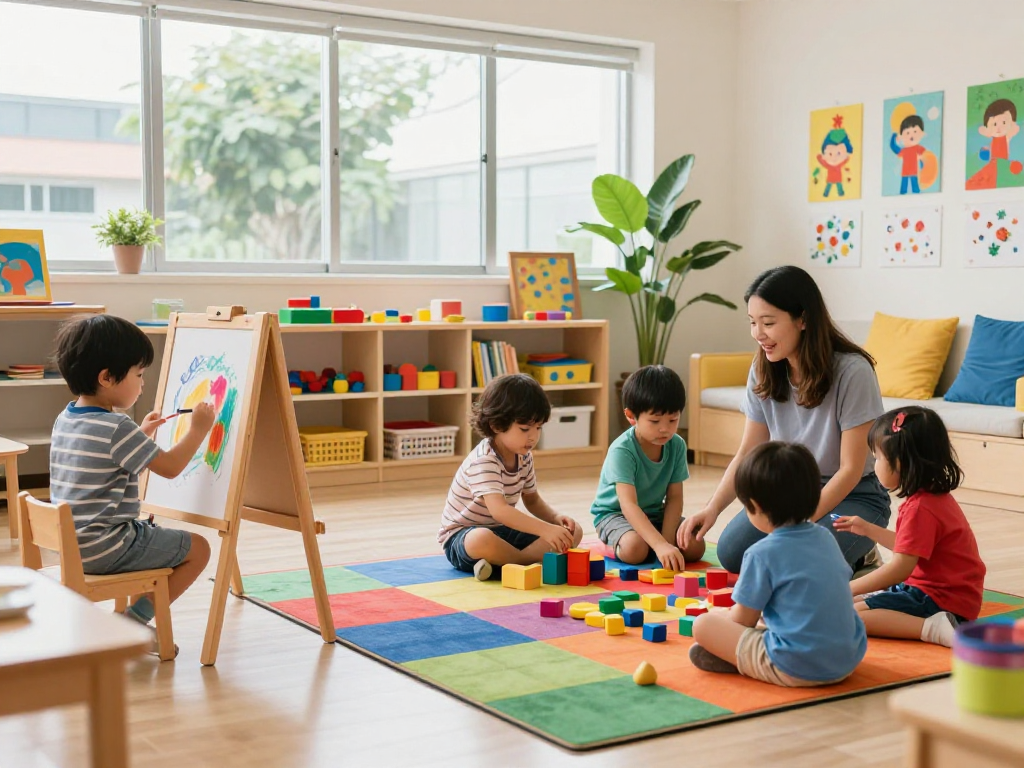
Classrooms should be designed to be inviting and stimulating, featuring various learning stations that encourage interactive play. Elements such as colorful walls, accessible learning materials, and flexible seating arrangements can foster creativity and inquiry.
Importance of Outdoor Play and Activity Spaces
Outdoor play is equally critical, providing children with the opportunity to explore nature, develop physical skills, and engage in social interactions. Environments that allow for physical activity support not only physical health but also mental well-being.
Role of Educators in Shaping the Environment
Educators play a crucial role in creating and maintaining a conducive learning environment. They shape the classroom's emotional climate by nurturing relationships with children and providing consistent support as they engage in their learning journey.
Encouraging Parental Involvement in Education
Parental involvement is integral to a child's success in kindergarten education. When parents engage in their child's learning, they reinforce concepts taught in school and create a strong support system for their children's educational experiences.
Ways Parents Can Enhance Learning at Home
Parents can enhance their child's learning by creating a rich educational environment at home. Reading together, engaging in arts and crafts, and discussing daily experiences can extend learning beyond the classroom. Additionally, parents should encourage their children to express their thoughts and ideas freely.
Building a Strong Parent-Teacher Relationship
A positive relationship between parents and teachers is beneficial for children’s education. Regular communication about a child’s progress and any concerns can foster a supportive and collaborative atmosphere that benefits the child.
Community Engagement and Its Benefits
Involving parents in school activities and decision-making processes can strengthen community ties. Community engagement not only benefits children but also enhances parental investment in the educational process.
Future Trends in Kindergarten Education for 2026
As we approach 2026, kindergarten education is expected to evolve significantly, integrating new teaching methodologies and adapting to the ever-changing cultural landscape. Preparing young children for a diverse and technologically advanced world will be paramount.
Technological Integration in Early Learning
The use of technology in early learning may enhance engagement and provide children with varying modes of learning. Incorporating educational apps and interactive tools can facilitate personalized learning experiences that cater to children’s unique needs.
Adapting to Cultural Diversity in Singapore
In a multicultural society like Singapore, kindergartens will increasingly emphasize cultural awareness and appreciation. Teaching children about different cultures can foster inclusive attitudes and prepare them to navigate a diverse world.
Preparing Students for Lifelong Learning
The ultimate goal of kindergarten education is to instill a love for learning that lasts a lifetime. By emphasizing inquiry, creativity, and critical thinking, kindergartens can prepare children to adapt and thrive in their future educational endeavors and beyond.