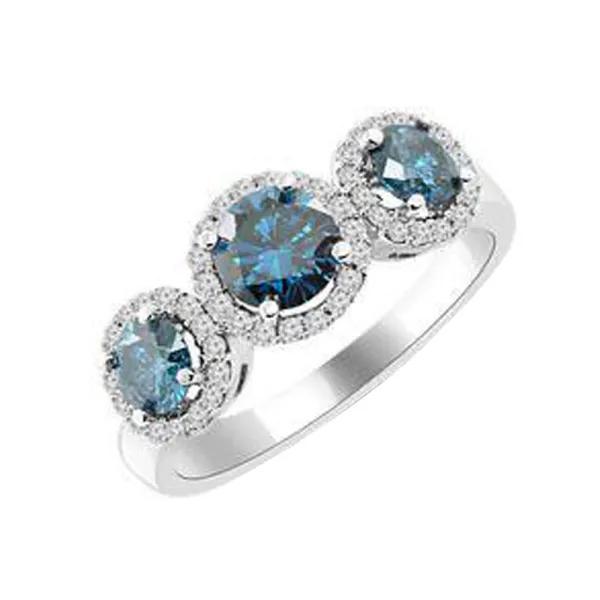
The most successful jewellery choices usually begin with proportion, not with a fashionable specification. Aquamarine is a blue variety of beryl known for clear, cool colour and a serene rather than heavily saturated appearance. A practical way to begin is to study lab grown aquamarine rings at Lily Arkwright and compare the designs from both the top and the side. That comparison matters because the strongest option is the one whose visual impact, comfort and maintenance all suit the wearer.
lab grown aquamarine rings should first be read as a complete composition: pale blue transparency with an airy, refined mood. A successful design coordinates appearance with comfort, secure construction and realistic long-term care. Rather than scoring each feature separately, decide whether the eye moves naturally from the main element into the setting and band. A top view explains outline, while the side reveals height, structure and hidden detail.
Read the design from every angle
Compare tone in several lighting conditions and choose a cut that does not leave the centre looking washed out. Compare the complete piece rather than judging one specification in isolation, and ask how each design choice changes the view from above and from the side. Together, those decisions determine the natural-distance impression created by lab grown aquamarine rings.
Use measurements to narrow the field, then let the complete ring make the final argument. Two options with similar specifications may differ in spread, contrast and presence. For “Aquamarine Engagement Rings: How to Highlight Their Cool Blue Beauty”, the better choice is the one whose main feature remains clear without forcing the rest of the design into the background.
Make the specification work together
The supporting details of lab grown aquamarine rings deserve equal care. White metal reinforces coolness, while yellow gold gives the blue a warmer and more individual contrast. Future wedding bands or stacking pieces should be considered early enough to avoid an awkward gap or unwanted friction. The relationship between these elements should look intentional from the top, side and three-quarter view.
Proportion becomes easier to understand once lab grown aquamarine rings are seen on a hand rather than against a blank background. Note the width across the finger, the amount of visible band and the height above the skin. A slightly smaller component can create a stronger result when it leaves the whole design poised.
Comfort, pairing and long-term care
In daily use, lab grown aquamarine rings must succeed as jewellery rather than only as an image. Its good hardness suits jewellery, but it should still be protected from sharp impacts and extreme heat. Fit, height and edge profile decide whether a beautiful piece feels natural during ordinary hand movement. The final profile should leave the wearer confident about comfort, balance and future pairing.
Long-term enjoyment of lab grown aquamarine rings depends on modest routines. Warm soapy water is the safest routine; keep it away from abrasive cleaning methods. A straightforward maintenance plan should be understood before purchase, including cleaning, inspections and any finish-specific care. Ask which parts need inspection, whether resizing is straightforward and how another band will make contact. A beautiful piece is more valuable when its upkeep fits comfortably into real life.
Final Thought
A confident choice within lab grown aquamarine rings comes from coherence. Stone, setting, metal and scale should feel as though they belong to the same idea, while comfort and maintenance remain realistic. Once that balance is present, the jewellery does not need to shout; its character will remain clear over time.